
Search for lenses, articles and help
Cinematography meets Visual Effects
For decades, there has been a wall between the lenses on set and the pixels in post. The Cooke Lens System captures the precise geometric character of each lens — the foundation of true optical continuity — and brings it into the heart of post-production. By modelling the geometric behaviour of light through the lens, we’ve set a new standard for cinematography in post. A future where every pixel knows the lens it came from.
The Cooke Lens System brings optical precision to VFX pipelines, giving artists the tools to handle dynamic lens characteristics that affect camera tracking, matchmove and compositing. Built natively for Nuke — the industry’s leading compositing platform. Fed with production metadata and matched lens profiles, the tools resolve the critical optical data automatically — dramatically reducing artist intervention and opening a clear path to pipeline automation. The Cooke Lens System is delivered as a set of Nuke nodes, using patented algorithms to combine individually measured lens profiles with per-frame-accurate metadata.
First of its kind to include distortion management for Anamorphic lenses. The Cooke Lens System eliminates some of the traditional barriers associated with shooting anamorphic on VFX heavy productions. The Cinematographer’s choice of lenses no longer impacts on postproduction costs or schedules.
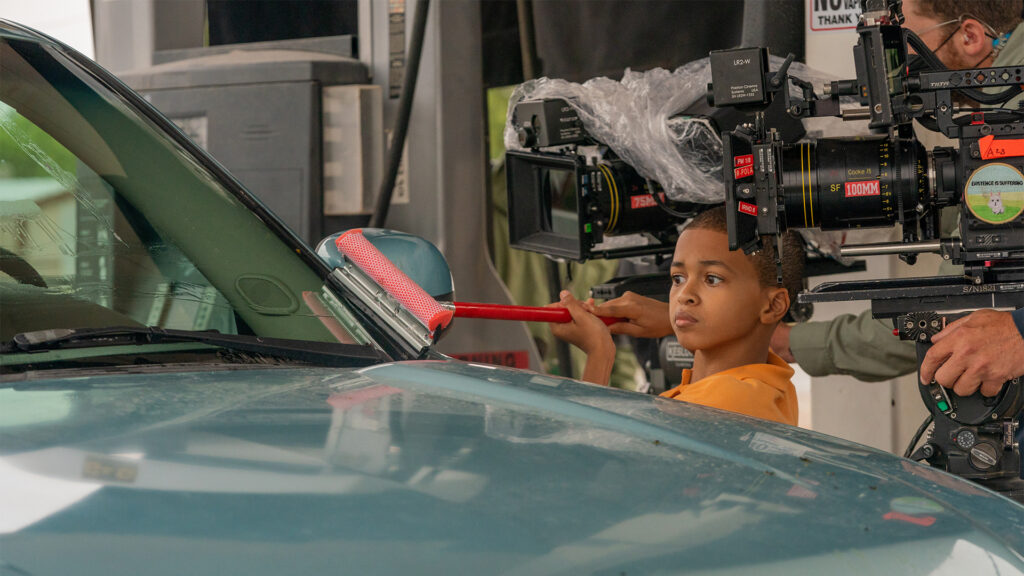
The Cooke Lens System for Nuke is going to help remove one of the factors behind the ‘it looks too CG’ trope and allow artists to focus on what they’re best at, and that’s creating great images. And by standardising lens terminology so that DOPs, Directors & VFX Artists are literally speaking the same language will only bring the departments closer together during the Production process.
The most basic techniques of VFX and XR production are rapidly evolving based on lessons learned implementing Cooke /i Technology lens metadata. With the Cooke Lens System for Nuke, spherical or anamorphic lenses can now easily be undistorted and re-distorted accurately and precisely.
Collaborating on the development of the new Cooke Lens System has been an impressive experience. The tool is already delivering a more seamless bridge between set and post-production, and it clearly points toward an exciting, metadata-driven future for the industry.
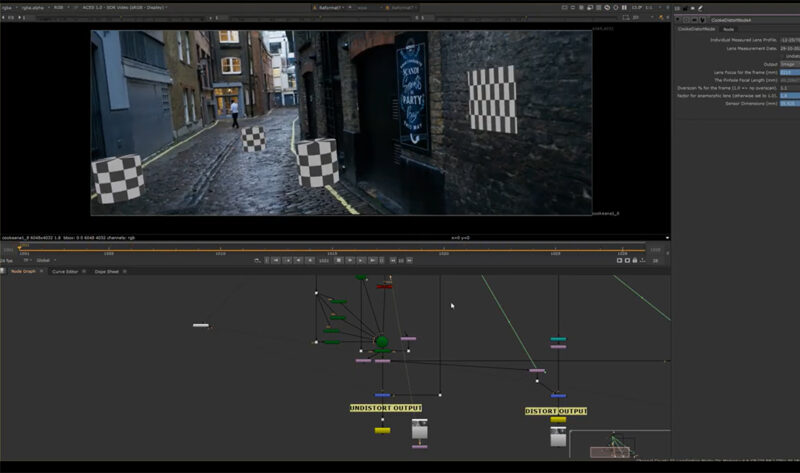
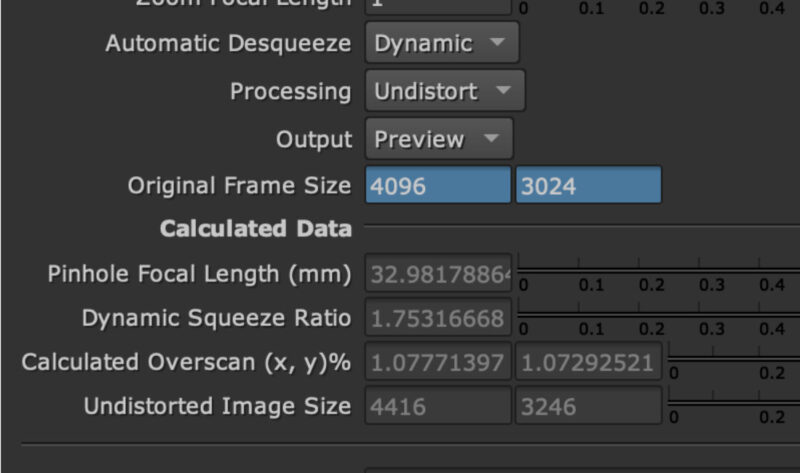
The Cooke Lens System delivers precise distortion removal and recovery with precision, at every frame. Working directly on images or via industry-standard STMaps, it outputs exactly what the pipeline needs — including shot previews — ensuring seamless integration of CGI elements into live action compositions. Full support for both spherical and anamorphic lenses, including the complex optical geometry that makes anamorphic one of the most demanding formats in VFX.
Per-frame pinhole focal length for both spherical and anamorphic lenses, and dynamic squeeze ratio for anamorphic lenses, provide the precise data that tracking and matchmove operations demand — delivered with precision at every frame. Entrance pupil offsets and centre shifts are calculated at the engine level, available for pipeline integration beyond the standard Nuke nodes.
Sub-pixel accurate results require real measurements. Each lens is measured via Cooke patented technology to generate lens specific dynamic values, optically precise through the entire performance range of the lens. Unlike existing methods that rely on pre-calibrated distortion maps or general datasets, the Cooke Lens System celebrates the uniqueness of each lens by capturing it with absolute precision.
Precision is consistency over time. Cooke /i Technology is the industry standard lens metadata protocol, capturing per-frame key lens data at every shot. The choices made by the Cinematographer on set are recorded for VFX Artists to build on with confidence. Each shot’s lens choreography is replayable, each decision shared, nothing left to guesswork. Just one unified creative vision from set to post-production to screen.
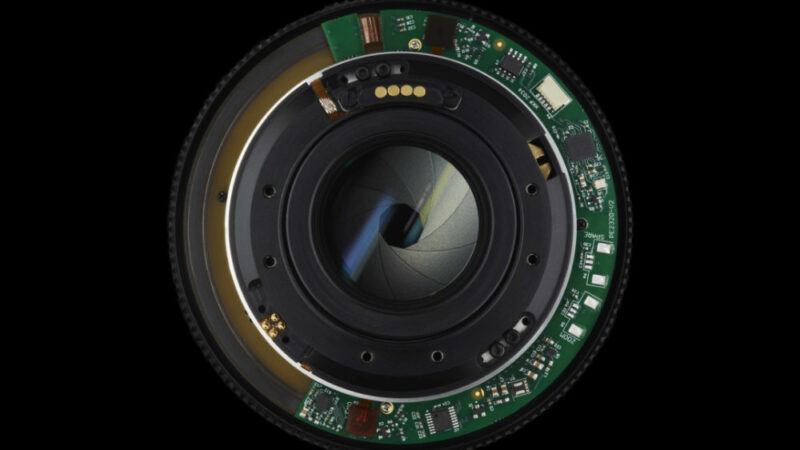
The Cooke Lens System is available as a set of Nuke nodes, highly integrated in standard VFX pipelines. Built on a dedicated processing engine at its core, VFX Artists can confidently track, composite, and integrate CGI elements in live action shots knowing they’re working with precise dynamic parameters that mimic the behaviour of the real lens. This approach safeguards consolidated workflows, whilst bringing a revolutionary level of efficiency and accuracy to creative work.
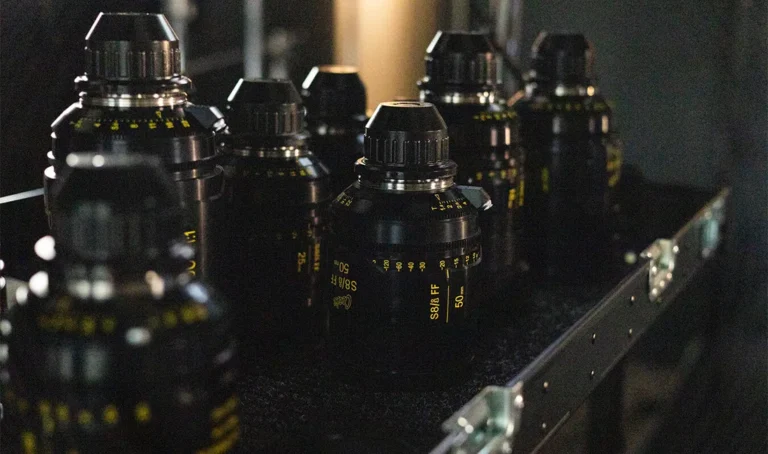
Over 300 lens models across leading manufacturers are equipped with Cooke /i Technology, recognising the value of precise, reliable, lens metadata, and the need for a standardised, widely adopted protocol.
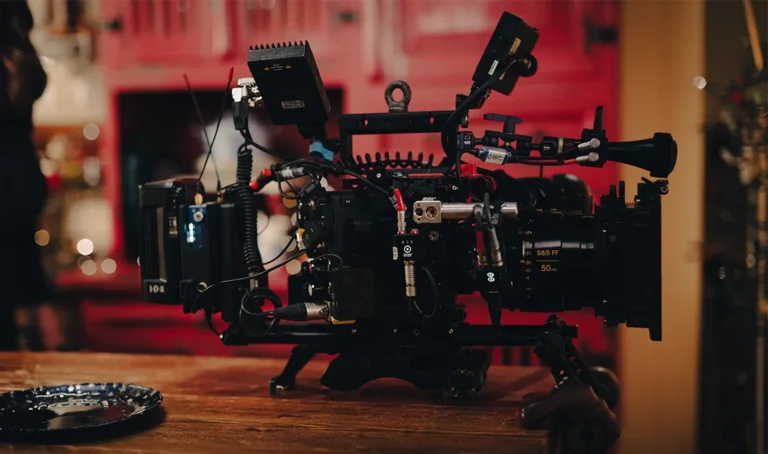
Major motion picture cameras offer native compatibility with Cooke /i Technology data stream, embedding lens metadata directly into the cameras’ RAW files, without the need for additional hardware or personnel. This supports productions that harness the potential of metadata without limiting the cinematographer’s sensor choice.
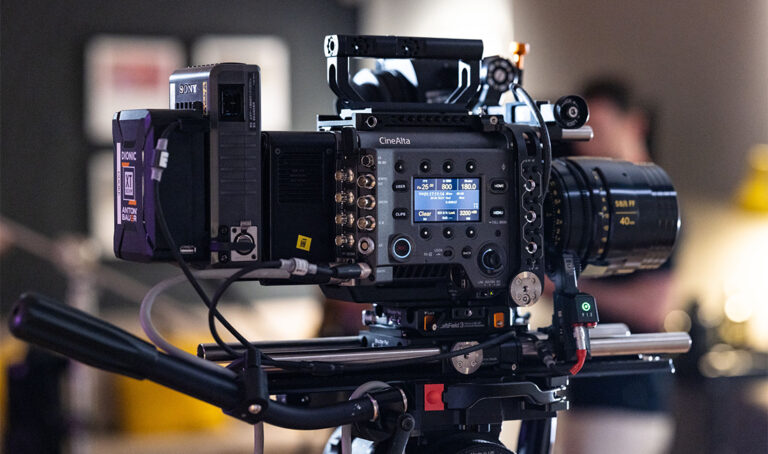
Extended compatibility with on-set assets and data management systems guarantees a seamless chain of custody for complete, accurate and meaningful lens metadata delivered to virtual production and VFX teams. The broader ecosystem capitalises on the full potential of /i Technology, supporting filmmakers from set to screen.
Join us in forging the future of collaboration between cinematography and VFX. The Cooke Digital Lens System maintains lens fidelity and improves VFX efficiency and quality. Proven on feature films and built for productions of any scale. The Lighthouse projects get access to the software, fresh lens measurement and Cooke support.


This document aims to provide a self-consistent set of definitions, along with just enough technical background to explain why these definitions are made
DownloadIf you would like to stay up to date with news and events regarding Cooke Digital and our products please fill out the form below